
British author and statesman Horace Walpole reputedly said that life is a comedy to those who think and a tragedy to those who feel. I have personally concluded that life is a tragicomedy—both at the individual level and human history is a whole.
“Under the sun,” as Qoheleth, the writer of Ecclesiastes, would say, you really can’t win. If you are fortunate enough to live a long life, then this guarantees you are also destined to experience the death of many close friends and loved ones and will be subjected to the slow deterioration of your body and mind before passing away.
I have reached my 60s, and have lost many friends and loved ones in a variety of distressing ways: accidents, diseases, murder, and suicide. The latter has been the saddest and most difficult of all to cope with, because it compounds the sorrow of loss with so many other negative emotions, often including 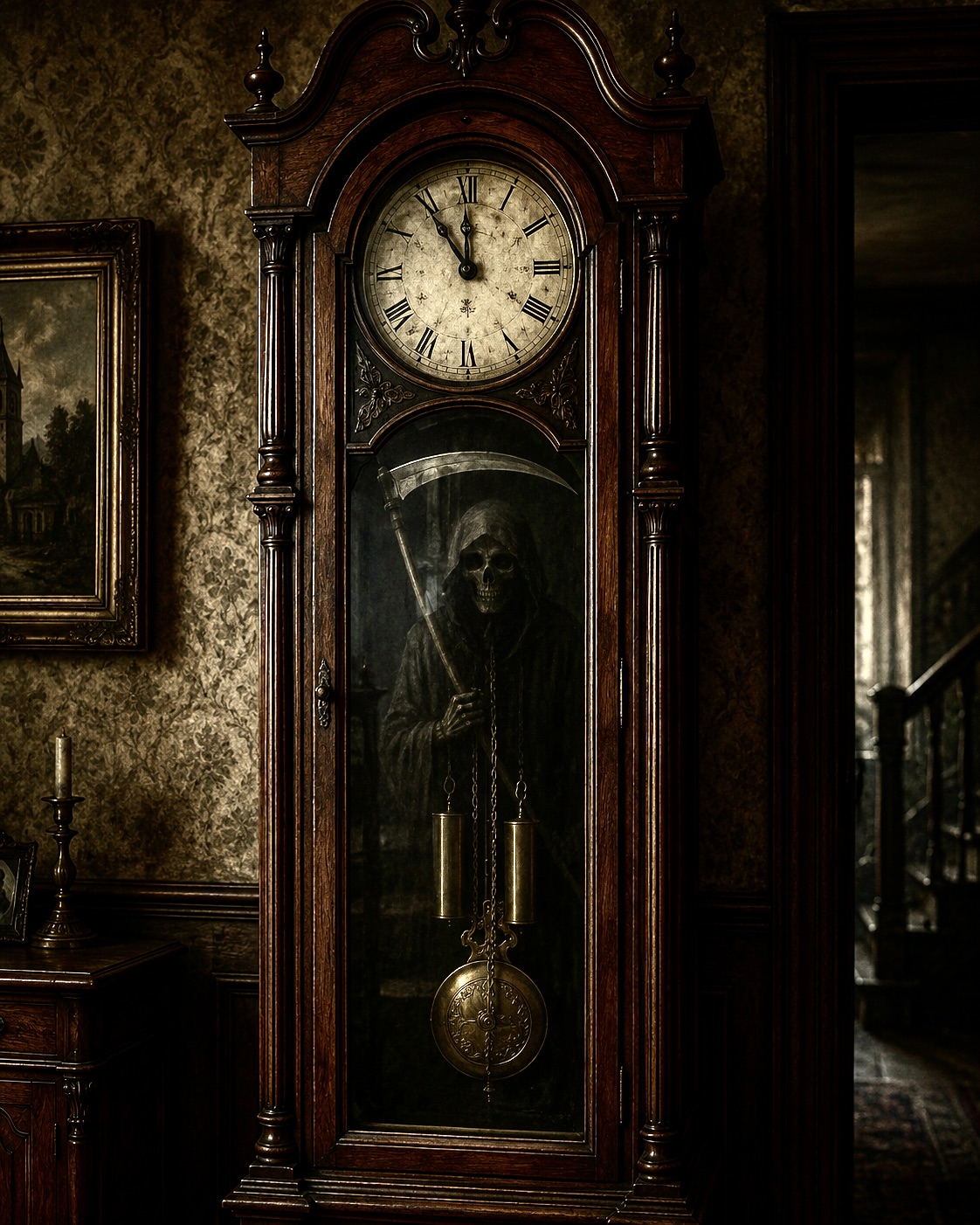 anger and disappointment with the loved one who made such a devastating choice. It is also a stinging reminder of how hard this world is for everyone. Many of us have considered suicide even if we haven’t attempted it. Even the most happy and flourishing human life on this planet is marked with much sadness and difficulty. As Scripture says, “man is born to trouble as surely as sparks fly upward” (Job 5:7).
Of course, we have hope—Gospel hope. Christ has conquered death. And if we bind ourselves closely to him, we will ride his resurrection to our own resurrection glory. But that doesn’t remove all of the agony of this realm. It is all still a tragic comedy. That the God-man himself was a “man of sorrows” (Isa. 53:3) who suffered and died in the most ignominious and disgusting of ways is a stark reminder of this fact.
It appears that God has ordered this cursed realm in such a way as to force us to one of two extremes: utter despair or transcendent Hope. All of the suffering and death simply rules out naïve optimism. Yes, there are those who coldly say, “life is just hard; deal with it” and go about their business with few tears or ringing of hands in existential angst. But that attitude is itself a masked form of despair.
The choice of despair—and yes, for many it is a choice—is a surrender to tragic sadness, a decision to reject Hope and ultimate joy. Put in those terms, it might seem strange that so many people choose to surrender to despair. But it is because the alternative—the choice for Hope—is itself so hard to make, since it requires self-denial to the extreme—e.g., forgiving others unconditionally and abiding by the Golden Rule, etc. No one likes this. In fact, self-denial goes against fallen human nature; it is a wonder that any of us manage to pull it off. I suppose it is a sort of moral miracle, given the natural human tendency to pride and selfishness.
Whenever a loved one dies, and we gather together to quietly mourn. hug, cry, share stories, etc., we experience a communal helplessness that emphatically declares what a pathetic lot we really are. We are in desperate need of hope. That is a fundamental human fact. In the ordinary course of daily life, we tend to forget or ignore this. But death forces us to pay attention. As Qoheleth, says, “death is the destiny of everyone; the living should take it to heart” (Eccl. 7:2).
Those who do pay close attention, who dwell upon the reality of death more than most, are sometimes called morbid. And surely there is a potential vice here—that of dwelling on aspects of death for the sake of entertainment. That is clearly not the sort of attitude the Qoheleth is getting at. It is the inevitability of death and its final existential implications for us—that is what we should be taking to heart. You will die one day, perhaps very soon. Then your permanent reality begins. That certainly is something to take to heart and mindfully prepare for, however healthy or youthful you might happen to be right now.
So let us pay close attention, and I believe that if we do, and we embrace gospel hope, including all of its implications for self-denial, it is precisely then that death loses some of its sting and we can rejoice that life in this world is not a pure tragedy.
I conclude with these song lyrics that I wrote a few years ago while trying to heed Qoheleth’s counsel:
Dear Death, you dress for all occasions. / From the fog of war to sunny days with children playing. / Whether we’re doing our worst or best, / You’re always an unwelcomed guest / Who declares just how long we are staying.
Dear Death, somewhere in your dark eyes / Is the true confession of every human lie. / In search of greater powers, / We took what was not ours / And made a prison out of Paradise.
Dear Death, your presence feels more like a void, / Whenever we dwell upon what you’ve destroyed. / Every soothing friendship lost, / Every deep love double-crossed / Reminds us of the one thing we can’t avoid.
Dear Death, you cast a shadow cruel and long. / You’ve made a home in every place you don’t belong. / Even a young mother’s womb / You turn into a tomb /And somehow haunt the most joyous song.
Dear Death, I suppose it is not by chance / That even Jesus Christ asked you to dance. / There in that simple waltz / He made true what once was false / And welcomed us into a great romance.
Dear Death, is that your cold hand on my shoulder? / With each day it seems your overtures grow bolder. / But the music continues to play, / And it is a solace to say, / One day, yes, even you will not grow older.