Snapshots

Brief comments on film by Amy.
Some old, some new.  Domestic films and foreign too.

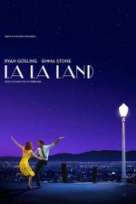
La La Land — I spent months avoiding conversation in which people were even casually referencing this movie because Jim and I missed seeing it in the theaters and I hated the idea of anything being ruined given that so many people were telling me it was an amazing movie. We finally got to see it as a family and while Andrew was disappointed in “all the singing” (apparently we failed to warn him beforehand that it was a musical) it was a great experience…until it wasn’t. I don’t believe in spoilers so 00d4c126-292e-39bb-92b1-9ad46ee4e403I will just say that everything that works to make this movie enchanting culminated in me leaving the theater more angry than I think I have ever been upon exiting a movie that I knew was good. Script, acting, design. All masterfully done. Which is why I am so angry. Still. For the most part my anger centers around the writer’s choice of endings, but there were also plausibility flaws that just annoyed me. Again, don’t want to ruin it for anyone especially since others didn’t have the same reactions as I did. Definitely worth seeing. Just be prepared to self-medicate on some Rocky Road ice cream and good old-fashioned venting afterwards. See it for yourselves and then we can talk.
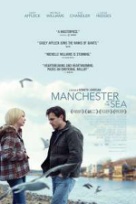
Manchester by the Sea — Wowsers. Where to even begin to describe this film. All adjectives seem to fall far short. This was one of those films that wiggles its way into your brain and heart and has you thinking and talking about it for days and weeks afterwards. Unbelievably powerful performances from Casey Affleck and the rest of the cast. Seriously, can we just all agree to blacklist Ben in favor of Casey for everything except Batman? Besides the acting, one of the aspects of this film which impressed me the most was the editing. The story is not 65dae0a7-15ea-397f-a610-b2f0e7f6c700presented in chronological order, but in a way that builds suspense without being a distraction. The language is intense throughout and scenes of teenage sexuality, though brief and more disconcertedly awkward than erotic in this case, strike me as entirely unnecessary. Emotionally draining, but I highly recommend this one.
Dr. Strange — Once we got over Benedict Cumberbatch speaking with an American accent, the family really enjoyed watching Dr. Strange together. I must confess a weakness for all things Marvel with a few notable exceptions, but thankfully Dr. Strange was no such exception. Witty but heartfelt, entertaining but also thought-provoking. Well worth the seemingly hundreds of dollars we spent on popcorn and drinks for the kids.

Gleason — I have been wanting to watch this documentary for a while and finally got a chance one night recently while babysitting our newborn puppies. Former NFL player Steve Gleason was diagnosed with ALS (or “Lou Gehrig’s disease”) in 2011 and Gleason chronicles the highs and lows of Steve’s and his wife Michel’s journey through treatment, family dynamics and life in the public eye. While Steve is certainly to be commended for his persistence and his desire to bring awareness to the struggles faced by those with ALS, what I appreciated most about this film was his and Michel’s willingness to be authentic and real regarding the challenges they faced. Filmed over several years, you rejoice as they welcome their first child, Rivers, into the world while simultaneously your heart breaks as Steve loses his mobility and eventually his ability to speak. A story that is both tragic and inspiring, I would imagine that Gleason has to be a source of comfort to those facing similar trials and to anyone who desires to see the word “hero” redefined.

Small Screenshots:

13 Reasons Why: So much has been written about this series that I will keep this review brief. Don’t watch this show. In the interest of staying relevant, I began this show which, as I am sure most of you have heard, revolves around the suicide of Hannah Baker, a newly transferred high school student who encounters one bully and tragedy after another. I was appalled at the exploitation of this character’s pain not to mention the gratuitous portrayal of sexual assault. One of the most disturbing messages of this show is that being a parent who deeply cares about your child and attempts to remain connected with them during their teenage years is pointless. Truly a tragic show.

Stranger Things: The Spiegel clan, minus Maggie who is easily frightened by everything but sharks and the Beatles, gobbled this series up. The only downside was having to wait for everyone to be free in order to watch together, but it was well worth the scheduling headache. Well-cast, though Winona Ryder as a struggling single mom did take a little getting used to, this science fiction series set in 1983 was completely addictive. Can’t wait for the second season to come out in October and should probably start coordinating everyone’s schedules now.

Sherlock Season 4: Not sure what to say about the latest season of one of my favorite shows. The kids and I eagerly watched the previous episodes in order to whet our appetites for the latest season. Think our time would have been better spent rewatching our favorites from past seasons rather than watching Season 4. Besides being extremely dark and sometimes confusing, it felt a lot like a remix of previous storylines with the characters merely being shifted around. While we certainly would sit down to watch a Season 5, it will be with an edge of skepticism. Once bitten twice shy, my dear Watson.

Abstract: This is a great series for anyone interested in the arts. Beautifully done, it brings together the art of filmmaking and the 3-D arts brilliantly. Featuring world renowned artists including illustrators, architects, and more, you don’t have to be “artsy” to get drawn in. An excellent viewing experience for the whole family.
Snapshots

Brief comments on film by Amy.
Some old, some new.  Domestic films and foreign too.

Hacksaw Ridge — Jim and I made the unfortunate decision to watch this movie as part of a double date with friends. The company was excellent. The movie powerful. Just not exactly a fun night out on the town given the graphic nature of the violence portrayed. Hacksaw Ridge is the compelling and awe-inspiring story of Private Desmond T. Doss, played convincingly by Andrew Garfield. It’s one of those movies that you immediately start fact checking as soon as you leave the theater. In this case, Doss’ story of courage and commitment to his religious convictions is as impressive if not more so than what is portrayed on screen. The onscreen violence of WWII is extremely graphic, but it serves only to highlight Doss’ bravery and that of the men with whom he served. Vince Vaughn seemed out of place particularly in the battle scenes as Sergeant Howell, but Garfield’s performance was impressive especially as a Brit given that Doss’ was southern. The highlight of the movie for me was the last few minutes which featured the actual men involved. True heroes whose story should inspire us all.

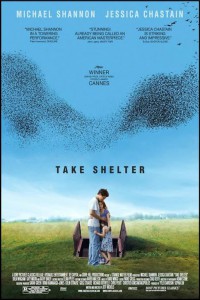
Take Shelter — Watching this film was my attempt to wean myself off binge-watching episodes of House Hunters International and Agatha Christie’s Poirot and get back to more serious films. It was also an opportunity to watch an independent film with the kids and strengthen their critical thinking skills regarding film. Despite Sam imagesand Bailey opting out and Andrew falling asleep halfway through, I think the attempt was fairly successful. Curtis LaForce and his apocalyptic visions of impending doom reminded me just how good non-Hollywood movies can be and had us all, except those of us who were snoring, on the edge of our seat, half-fearing, half-hoping Curtis wasn’t crazy for stocking up on gas masks and canned foods. In a movie full of good performances, my hat goes off especially to Jessica Chastain for participating in a non-blockbuster film which I am sure entailed a significant drop in her usual paycheck. She blended in with the lesser known actors flawlessly and delivered a heartfelt and perfectly under-stated performance.

Split — Anticipation is a funny emotion in that is rather more of fruit salad of emotion than one pure feeling; a not entirely enjoyable combination of excitement and dread, hope and fear, like a pleasant mixture of berries with the occasional piece of mushy cantaloupe mixed in. Ever since the dreadful disappointments of The Happening and The Last Airbender, looking forward to the release of an M. Knight Shyamalan film has filled me with that fruit salad feeling. I don’t want to get too excited for fear of being let down, but I also want to continue to have faith in and support one of my favorite directors. Having enjoyed The Visit, I hoped Split wouldn’t disappoint and it most certainly did not. Terrifying, heart-breaking, and filled with a powerful message about good and evil, Split is Shyamalan all grown up. The film does mark a departure from Shyamalan’s usual Hitchcockian technique of allowing the viewers’ imaginations to fill in the gaps of his restrained depictions of violence and is not for the faint at heart when it comes to very brief, but disturbing nonetheless, moments of horror. James McAvoy was Split_(2017_film)brilliant and if I met him in person I would tell him so…over my shoulder as I ran away in fright. The ending, no spoilers, left me panting for more.

Guardians of the Galaxy 2 — Time for another confession: it only took a preview featuring a talking space raccoon for me to say “no thanks” to Guardians of the Galaxy. So when GG2 came out, I took little notice. But when your 17 year old son asks, begs and pleads to go to see a movie as a family, you’ve got to do it…even if it features a sarcastic, weapon toting trash panda. And in this case, I was rewarded with not only a fun familial night, but also an entertaining flick with a killer soundtrack. In the tradition of Star Wars, GG2 didn’t try to get overly complicated with it’s storyline, focusing more on character development than complex plots and made up scientific jargon. Zoe Saldana is not one of my favorite actresses, but the always charming Chris Pratt more than makes up for her rather stiff and snooty performance. Not a must see, but if you find yourself looking for a good chuckle with the kids this summer, this is a good chuckle inducing flick to choose.

Small Screenshots:

Handmaid’s Tale: At the recommendation of a feminist leaning friend, I read the Margaret Atwood book on which this series is based several years ago. While not in agreement with the author’s perspective, I did find the book to be well-written and thought provoking. Not sure I can say the same for the Hulu produced series. After watching several episodes, I decided that I had seen enough. I admire Elizabeth Moss who plays the main character Offred, a “handmaid” in a country controlled by an elite but barren class who force the few remaining fertile women to bear children for them. The makers of this series clearly have a message to convey regarding our current political and social climate. I found many articles linking the show to protests against attempts to limit access to abortion and even an instance in Texas where women dressed as handmaids in order to protest pro-life legislation. I entirely endorse the message that freedom of speech is essential and that those who seek to control language and impose their narrow beliefs onto others should be thwarted. But tragically, the writers of Handmaid’s Tale and those who identify its totalitarian regime with our present administration seem oblivious to their own intolerance. One article I read claimed that we are living in a pre-Gilead state and I can’t say I disagree though I fear this type of show attempts to silence the opposition rather than promote public discourse.

Anne with an “E”: The best thing I can say about this Netflix produced series is that it inspired me to finally read Anne of Green Gables which I am thoroughly enjoying. I appreciate the attempt to bring a little more reality to the story of orphan Anne Shirley and her adoption by spinster Marilla and her bachelor brother Matthew, but something is lost in the addition of realism. I have struggled to put my finger on exactly what that loss is. Perhaps in making the circumstances more real, the writers have made the characters less so. They feel much more like caricatures than the original production starring Megan Follows and entirely lack the warmth or complexity of the book. In attempting to give context to Anne as an orphan and outsider, Anne with an “E” misplaces much of Anne as a person. Disappointing for sure but not enough so that I didn’t watch the whole series.

Father Brown: Speaking of disappointing series that still had me watching every episode . . .  G.K. Chesterton was a genius and one of the most quotable Christian writers of the 20th century. I am pretty sure he is not just spinning but doing cartwheels in his grave at the use of his beloved Father Brown as the mouthpiece of all things politically correct in this apologetic for relativism. Quirky characters and lots of murder plots to unravel can’t make up for the jarring anachronisms as Father Brown, a Catholic priest, repeatedly mistakes complacency for compassion. It should be illegal to appropriate the works of such a devout person of faith like Chesterton and twist their characters for your own devices. Go find your own characters to speak for you and leave those who would surely oppose your viewpoint alone.

Pod Shots

I have a lot of sitting-at-loose-ends time in my life. Time between one activity or commitment and another; time spent twiddling my thumbs in a doctor’s office and driving hither and yon. Being the task-oriented person that I am, I dislike feeling this time is being wasted. I have become an expert cultivator of zombie killing plants, but one of my New Year’s resolutions was to try to put this time to better use. So I took to Facebook and asked for some podcast recommendations. Below I have reviewed a few of them for your listening pleasure.

This American Life: Given that, according to its website, This American Life airs on more than 500 stations to about 2.2 million listeners and is “often the most popular podcast in the country,” it probably doesn’t need much of an introduction. But in case you have been living in Wi-Fi-less cave for the last ten years or so, here is the basic concept behind TAL: “There’s a theme to each episode…and a variety of stories on that theme. Most logo-v5of the stories are journalism, with an occasional comedy routine or essay.” Pretty sure this was the first podcast I ever listened to. It is my Saturday morning, headphones-in-walking-through-the-grocery-store listening fare. I have made a fool of myself mid-aisle laughing to the point of snorts and awkwardly holding in sobs as well as boring my family and anyone who will sit still to listen to me recap the various episodes. A must-listen to for anyone.

The Phil Vischer Podcast: Being a huge Larry and Bob fan, I was predisposed in favor of Phil Vischer’s podcast, but sadly what works in the produce aisle isn’t nearly as successful without the funny voices and catchy songs. With so many recommendations to get through, I confess that I only listened to this podcast once. It lacked focus and the hosts, Vischer, Christian Taylor and Skye Jethani, seemed more concerned with having a conversation with one another than they did with engaging the audience. I only have so much time and frankly this podcast didn’t seem to respect that fact. Get to the meat and cut out some of the chit chat. The topics covered do seem very interesting though, so maybe I will give it another chance…after I run out of new episodes of This American Life to listen to.

Pass the Mic: Pass The Mic is the premier podcast of the Reformed African American Network which includes “discussions and high profile interviews addressing the core concerns of African Americans biblically.” Hosted by Jemar Tisby and Tyler Burns, this podcast was out of my comfort zone which can be, well, uncomfortable. I don’t like the current trend to constantly segregate people to categories, by race, gender, economic class, political affiliation, etc., but then my race hasn’t defined me in the same way it has defined others so it’s easy for me to say “Can’t we just all be people rather than black people or white people; female people or male people?” I intend to keep this one on my subscribe list. I may have some one-sided arguments with it every now and then, but hopefully listening to the perspective of others will keep me from seeing the world from too narrow a vantage point.

Sheologians: I have really enjoyed this podcast despite the cheesy affirmations and giggles of the hosts, Summer White and her co-host Joy (I worked for about 45 minutes to find her last name and finally gave up.) Their tagline is “Theology for women, no doilies allowed,” and that is a pretty good summary of the show. Jane sheolgians-transparent-logo-smallAusten references abound amidst discussions of a variety of cultural topics including feminism, atheism, and Hollywood’s portrayal of love and atheism. It’s one I am especially looking forward to listening to with our daughter. Love the idea of her hearing strong and well-reasoned women unapologetically expressing their views on important issues. The overall whimsical tone of the podcast balances the seriousness with which they approach the issues discussed and makes it clear that while Summer and Joy don’t take themselves too seriously, they are on a mission to inform and challenge.

The Briefing:  Hosted by Albert Mohler, president of Southern Seminary and Boyce College, The Briefing is a “daily worldview analysis about the leading news headlines and cultural conversations.” The Briefing is like a shorter version of All Things Considered for conservative evangelicals. I like seeing current events through Mohler’s lens and particularly appreciate his thoughtful and rational analysis. Wouldn’t use this as my only news source, but makes for a quick and informative listen.

An Open Letter to Two Dots

Dear Two Dots,

Let me begin by saying that I, as a mother of four busy kids, have very little “me” time. I do have lots of time to kill waiting in orthodontists’ offices and sitting in parking lots waiting to pick up my kids. Since discovering your game a few years back, many of those periods of waiting have been made a little less boring. I love the simplicity and aesthetic of your format and appreciate having my brain challenged a little each day with your clever puzzles.

Two Dots has been a little patch of sunshine in my day…until now. As a political conservative, I was shocked to open my game today and be greeted not by the usual cheery music and playful graphics of your game, but IMG_0580[1]rather by an obvious dig at our President and a plea for my support of the ACLU, a liberal organization which seeks to limit the religious expression of others rather than defend the freedoms of all. I didn’t vote for President Trump and share the concerns of many regarding his moral character, and certainly as a company, it is your right to support a group such as the ACLU if they align with your values and priorities. However, I don’t play Two Dots as a means of entering into political debate. I play it because it is fun.

Have we really reached the point where we have to politicize every aspect of our lives? Does it not concern you that by incorporating a political message and appeal for financial support into the very format of your app that you would be alienating many of your players? I don’t want political slogans included on my grocery or retail bags. I don’t want to get a lecture before being allowed to order at a restaurant. And I don’t want you asking me to donate to the ACLU before I can play your game.

I have deleted your app from my phone. It will be missed, but I guess that is a price I am willing to pay for my principles. I hope you are willing to pay a similar price for yours.

Disappointedly yours,

Amy Spiegel

Disabled to Serve

Recently, my younger kids have become obsessed with the game Five Nights at Freddy’s. I have gathered, through half-listening eavesdropping in the car and around the house, that the premise of this game is walking around a house, scaring yourself silly in that you-know-it’s-coming-but-can’t-keep-yourself-from-jumping-anyway kind of way. It’s described by Google as a “survival horror video game.” Gee, sounds like a barrel of laughs. Who wouldn’t want to play…other than me and most sane adults?

In looking for a silver-lining to this otherwise mind-wasting pastime, I guess there is a bit of life wisdom to be gained from a game designed to frighten you despite your being prepared. Sounds a lot like the reality of living in a fallen world. Learning to survive the unexpected. You know something bad is lurking just around the corner. Only question is when and in what form it will pop out and give you a fright.

Last month, I had one of those experiences. It was a sad rather than frightening event that nonetheless reminded me of this world utter lack of predictability. My aunt, a godly, loving woman, had a massive stroke and passed away. She has suffered from a brain abnormality all her life and despite knowing the odds were not in her favor, I was quite shaken by her death. It was one of those moments, like playing Five Nights at Freddy’s, no matter how much you think you have prepared yourself, it still catches you off guard.

I had the great blessing of growing up surrounded by family. Both my mom’s siblings and her parents lived nearby and we saw them often. My aunt and I were close and in spite of my innumerable failings, she loved me fiercely. When Jim and I got married and had children, this fierce blanket of sometimes near-suffocating love enveloped them as well. I am quite certain she annoyed people on a regular if not daily basis telling them all about our comings and goings. She was this way with all her nephews and nieces not to mention family and friends. She was like Geico—loving people was just what she did.

I knew that when she died, our family would lose our biggest fan. What I didn’t know was the scope of her love for others outside our family circle. Here was a woman who on paper didn’t have a lot to offer the world. Due to a series of strokes, she was no longer able to drive or walk without the assistance of a walker. She had long since retired from her teaching position and for as long as I can remember could not use her left hand. And yet, on the night of her memorial service, we stood for hours while person after person shook our hands and told us of the deep and meaningful impact my aunt had had on their lives. Person after person after person. For hours.

In the eyes of some, my aunt might have seemed to have little value in this world, but through her willingness to serve, she became a humble vessel of God’s love and compassion. She also served as representation of the brokenness that we all carry through life. She was broken physically, but managed to do mighty things for the Kingdom. She taught me that God’s work in and through us all starts at the place where we admit we can do nothing. That we are nothing without Him. Standing in the receiving line, I came to understand that my perspective on what is and isn’t important in life is often bass-ackwards. It is the phone call you don’t put off or the card you send or the small prayer you pray that make the world a far better place than any issue you blog about or book you author or check you write. Those things are needed too, but without a sense of humble service, they will all turn to ashes in the refining fire of God’s judgment.

I can’t talk about my aunt without mentioning my mom. If you look up humble service in God’s yellow pages, I am sure my mom has a full-page ad, though of course she would never have placed it herself. Hopefully, she won’t read this post or I will be in big trouble for putting her in the spotlight. My aunt served and loved many people, but she could never have done so without my mom, quietly balancing her checkbook, driving her to seemingly endless doctors’ appointments or coming over to clean up after my aunt had had an accident. She could have easily seen my aunt as a burden. And being human, I know she had days when she struggled to be patient or kind. But just as my aunt showed me unconditional love that was blind to many of my flaws, my mom has taught me unconditional love that sees you warts and all and loves you anyway. She has taught me that Christian service isn’t for Pollyannas and Suzy Sunshines. Jesus didn’t wash the disciples feet because he thought it would be a fun party game. He got down in the dirt, saw their filth and loved them anyway. He got on that cross because I wasn’t worthy and He wanted to make me so in Him. He died in agony so that I could follow His example and the examples of my mom and aunt, so that I could love as I have been loved. His death made me capable of receiving God’s love and His resurrection makes me capable of showing that love to others.

In the weeks following her death, I have gotten great joy in imagining my aunt, whole in body and mind, doing things that were impossible for her this side of heaven. But I have also come to understand that her disabilities are what made her work here on earth possible. She was able to serve in her unique and God-orchestrated way, not despite her handicaps but because of them.

Her limitations helped her to see the limitations of others and love them anyway. Her limitations also gave others, like my mom, the opportunity to serve. God was glorified in and through and because of her impairment which in the end was not an impairment at all.

I hope to honor my family’s legacy of service by looking for those less capable in whatever way and offering assistance when I can. But I also want to honor them by accepting my weaknesses and looking to see how God might use them to bring Himself greater glory. I want to see where He has disabled me in order that I might serve him more.

Bridge of Traitors

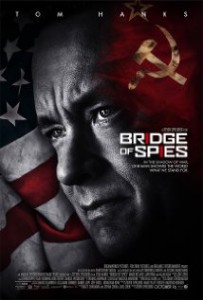
Since I am getting ready to offer a negative movie review for a film which was nominated for the Academy Award for Best Picture, I might as well start with a bang and admit it: I don’t like Tom Hanks—as an actor, of course, since I have never actually met the man. Can’t really think of a movie I have liked with him in, other than Toy Story, since The Burbs. If you haven’t caught this forgotten oldie but goodie starring Hanks and Carrie Fisher, I highly recommend you grab a bowl of popcorn and get ready for a good giggle.

Anyhow, back to Hanks and his tendency toward preachy, sanctimonious characters. I have learned just to avoid him, along with Julia Roberts who also puts me in a foul mood, but recently I made an exception. While staying with my folks and having had the movie recommended to me by friends and family alike, I agreed to watch Bridge of Spies. Unfortunately, the movie did little to change my opinion of Hanks.

Bridge of Spies has a lot going for it: based on a true story which takes place during a tension-filled period of history; one man of honor standing up against the tide of popular opinion to uphold justice and what is right; great writers (the Coen brothers) and, of course, one of the most respected directors in Hollywood as its director (Steven Spielberg). What could possibly go wrong?

Well… I really wanted to like it. As the credits rolled and my dad talked about how this was his “kind of movie,” I really hated to be that person, the annoying one who feels the need to burst everyone’s feel good bubble. At least my family is used to it. So here is what I hated—yes hated—about this film. Jim Donovan, Hanks’ character, is a lawyer defending a known Soviet spy on trial for espionage.

From IMDb
From IMDb

Donovan doesn’t believe his personal or political feelings should get in the way of his defense of Rudolph Abel, the accused. In fact, he doesn’t reveal his feelings one way or another about what Abel has done—to Abel, his colleagues, or even his wife. This is my first criticism. This lack of conflict during the trial and after as events unfold in a way which pulls Donovan even further into the complex world of international diplomacy makes him a very one-dimensional character. Perhaps the filmmakers were portraying Donovan as he was in real life, maybe he was entirely comfortable with defending this man and having his personal and professional life severely disrupted, but, knowing human nature, I doubt. And knowing storytelling, the character who does what he believes to be right despite his own mixed feelings makes for a much more interesting and believable story.

The other aspect of the film that got my undergarments all in a tangle was the obviously negative slant towards the U.S. government and military during this period of history. I find it symptomatic of Hollywood’s blinding liberal bias that they continually cast government agents and institutions in a negative light when their own political viewpoint calls for more government intervention and control. There was not one positive CIA agent, judge, or military personnel in the entire film, unless of course, you count the Soviets. Jeez-Louise, this was a story about an evil, yes evil, system of government that wanted to topple democracy and end our political system of rights and civil liberties, who captured one of our soldiers, tortured him, along with an innocent grad student and only surrendered them in exchange for one of their own. In Bridge, the two countries, the U.S. and the Soviet Union, are represented as equal at best, with the U.S. sometimes coming off as worse. For the generations who didn’t grow up in the shadow of the Cold War, the message is “It’s all relative. Your country, my country. We are all the same.” Jim Donovan is the hero of the movie without a doubt, but what is entirely lost is that he is the hero because he is an American, a true American who believes in the Constitution of the United States of America and is willing to make sacrifices in order to defend it. Bridge of Spies makes us believe he is a nation unto himself, with everyone else against him. One of the incidents depicted in the movie, where Donovan’s house is being shot at, didn’t even happen but that didn’t stop the makers of the film from sneaking in an anti-police scene where officers confront Donovan about his defense of Abel.

After Donovan, the second most positive character is Abel, the Russian spy who is portrayed as a gentle, loving soul who wouldn’t hurt a fly, though he would work to subvert the freedom and security of the American people.

So there you have it. There’s my old fashioned, flag-waving criticism of Bridge of Spies. I assure you that I don’t see our nation through rose-colored glasses. I know that we have made grave mistakes and often fail to live up to our founding principles and ideals. But isn’t that all the more reason for those principles and ideals to be portrayed fairly, to inspire us to work hard, to do better? I would like to see Steven Spielberg and Tom Hanks go back in time and try to make an anti-government movie behind the Iron Curtain. Perhaps then they might be a little more, dare I say it, fair and balanced in their films.

The Boy Must Die

Last month, Jim and I put our oldest on a plane to South America for a semester studying abroad. Bailey and I are pretty close considering his age and gender and I will miss him as much in my capacity as his friend as I will as his mom, but don’t tell his friends that. It would be totally not cool which probably isn’t the “in” way to say that. Saying goodbye for five months was not easy, but frankIy, I have been surprised that it wasn’t harder. Sitting at the gate, waiting for him to board, I clearly heard God speak to my tear-clenched heart and I hope that what He said will influence the way I parent forever.

When Bailey was conceived, God placed Him right where he needed to be, buried deep inside my body where he could grow and be nurtured until he was ready to hatch. When he was physically ready to meet the world, it would have been unhealthy, not to mention more than a little uncomfortable, for him to have stayed longer. He had outgrown my body. In fact, when he was born, the umbilical cord was wrapped around his neck and he very easily could have died. His connection to me was literally killing him. See where I am going with this?

Once our children leave the relative comfort and safety of our bodies, they obviously still need us. We feed them and watch over them. We teach them little lessons like how not to poop in their pants and why the Beatles are the greatest rock band ever. And not so little lessons like who God is and what His plan for our lives is.

Since Bailey left, I have realized that Jim and I are in a new phase of parenting. One that involves a lot of protection and guidance but, thankfully, less bottom wiping. One that involves a lot more letting go and standing back. In a way, it is a death of sorts, the ending of one thing and the beginning of something new. The way I described it to a friend is that the boy must die so that the man must live. And this process of death and life, of metamorphosis from one stage of life to another isn’t something that should make me sad. It should be something to rejoice in. It’s the miracle I have been working toward since each of my kids first drew breath.

Since I started this post, I have had cause to regret its title. On his first day of school in Bolivia, Bailey, who is allergic to peanuts, chowed down some carrots in peanut sauce and end up in the hospital. I had anticipated the day being a challenging one, but more in the will-someone-sit-with-him-at-lunch kind of way not in the trouble-breathing-anaphylactic-shock kind of way.

As I tried not to panic, listening to the hoarse and groggy voice of my son coming from so many miles away, I had to ask myself “Who do I think Bailey belongs to?” God had told me to let go and it didn’t seem too hard a thing to do when he was healthy and safe and allergen-free. It’s easy to say “let the boy die” when it is just a metaphor for “let the boy grow up and get and job, do his own laundry and pay his own cell phone bill.” But what about when it means “let the boy make mistakes and suffer the consequences and experience pain and not have you to comfort him”?

My only comfort on the days when things don’t go well for my kids, or really my only comfort on any day is in remembering another son. It comes from remembering and trusting in the story about a son who had to leave his home and His Father. Who had to grow and learn and suffer on his own. The story that brings me such joy brought God a great deal of sorrow. In that story, the man died so that we all might live. Now it’s just up to me to believe it’s true and be brave enough to live accordingly.

Book Blurbs

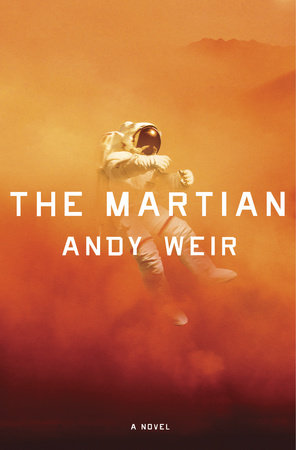
The Martian by Andy Weir: When I saw the preview for the Matt Damon movie based on this book, my thought was, “Bet that is a great story that will be turned into a mediocre movie.” While I can’t give an opinion on the film, I loved the book. If science fiction and action adventure had an alien baby with a good sense of humor and a bit of a potty mouth, it would be The Martian. Enough science to keep 9780804139021this chemistry dummy on my toes and with enough drama to keep me turning the pages as fast as I could read them. If you haven’t seen a preview of the movie or heard of the book, the plot is simple. Mark Watney is separated from the rest of his crew during a mission to Mars. Believing Watney dead, the crew begins their journey home only to discover that he is, in fact, alive. My favorite aspect of the book, besides the fact that the main character is a Chicago Cubs fan, is Watney’s perspective on the obstacles standing in the way of his safe arrival back to earth. While author Andy Weir infuses Watney’s quest to survive with breathless suspense, he never tips the scale in favor of melodrama. The book reads more like a guide on alien planet survival, calmly presenting one’s options when trapped in outer space. A huge thumbs up.

The Sisters Brothers by Patrick deWitt: Finally! A contemporary author, other than J.K. Rowling, whose book releases I will now mark on my calendar. I tracked this book down after hearing the author being interviewed on public radio and when I finished, I promised myself to be kinder to NPR regarding its antidotal news coverage. Wow. If Quentin Tarantino and Wes Anderson got together and wrote a book and then Alfred Hitchcock edited out most of the stylized violence, language and sex, the book would be something like this. Well-developed and gripping characters inhabiting an engulfingly reality of showdowns and amazing discoveries. I don’t even want to summarize it for you for fear of robbing you of the joy of discovering the plot and characters yourself. Just go out and read it. Now.

The Wright Brothers by David McCullough: How does he do it? David McCullough has the gift of taking monumental figures and moments in history, fleshing them out and making them feel like the neighbors next door, all without losing site of the big picture. I the-wright-brothers-9781476728742_hrliterally could not stop recommending this book to people. The Wright brothers are the kind of men you wish we had more of these days. Clever, hard-working, loyal and principled. I took some of the kids to Dayton on fall break to visit their cycle shop and museum. Thanks to McCullough, as we walked around Huffman Prairie, where they practiced with and perfected their flying machine, I felt like I had been there before. The man makes history come to life in the best possible fashion.

Maisie Dobbs series by Jacqueline Winspear: For me, mystery novels are like comfort food, I try not to overdo it, but indulge in them as often as I can. This series is a bit of an enigma. In an attempt to help Maisie Dobbs stand out in a crowded sea of detectives, the author has muddied the waters a little too much for my taste. The main character is part detective, part psychologist, part clairvoyant, and sometimes you can’t tell if you are reading a mystery novel, a study in psychology, or supernatural historical fiction. Having said that, I keep reading them so there must be some merit there after all. Like Grandma’s cheesy potato casserole, too good to turn down, but after a while you just have to say enough’s enough.

Finding Mom by Stephen Messer: One of my book club’s selections this year, this book was written by a Taylor University history professor who graciously led our group discussion. When he was only six years old, Messer’s mother committed suicide and after 50 years of silence, he set out on a journey to discover more about her life, family and struggle with depression. Finding Mom is a quick read which helps you see the tragedy of suicide from all sides. An inspirational story of healing that kindled a desire for many of us in the group to discover our parents outside of their role as mom or dad and more as people in their own right.

The Mighty and the Almighty by Madeleine Albright: I have to confess the pickings were slim in the audiobook section when I chose this book. I also have to confess I only had a vague recollection of who exactly Madeleine Albright was before I started. The topic, the role of religion has played in foreign affairs past and present, as well as Albright’s opinion of what role it should play in the future, is an interesting one. It was made more interesting to me coming from the other side of the political aisle. There were your predictable jabs at the right and not surprisingly all the examples of good diplomacy came from the left, but I appreciated Albright’s desire to present a fair and balanced case for religion in the public square. Nothing earth shattering and somewhat outdated given the current state of the affairs in the Middle East, but it was a good exercise in walking a mile in someone else’s political viewpoint.

The Light Between Oceans by M. L. Stedmen: This book deals with a classic case of good people making a very bad choice. An interesting story centering on the isolated yet beautiful life of a lighthouse keeper and his wife off the coast of Australia. It will probably come more to life when I get a chance to discuss it with the person who recommended it to me. A few unconvincing characters and turn of events, but I would read it again.

The Night of One Hundred Thieves by Devon Trevarrow Flaherty: This book is by a friend whom I both love and respect, as a person and a writer, so I have no excuse for having taken this long to getting around to reading it. When I saw Devon recently after several years, I thought, “I love everything she has to say! Why on earth have I not read her book?” The genre, medieval fantasy (is that really a genre or did I just make that up), is not really my cup of tea so it should speak to the book’s quality that I read it. A bit Chaucer meets Tolkien. Devon has created a world that feels real with a character who feels the same. Looking forward to making up for lost time and reading her other novel, Benevolent.

Parenting a Flesh-Eating Virus

Ah, the joys of parenting. Ever-changing, ever-challenging, ever-pulling-the-rug-out-from-under-one’s feet. I once compared my children to endlessly mutating viruses, changing and adapting just when I think I have them figured out. But I recently realized that comparing them to pathogens isn’t really a fair analogy. Deadly viruses, however destructive, are generally much neater creatures and will eventually kill you off in a gesture of mercy. Not so with children.

Maybe this is summer fever talking. Maybe too many afternoons spent squinting into baseball sideline sunshine or too many hours shuttling kids from one sleepover to another have addled my brain. Or maybe I have just seen the light, but whatever the reason, I have made a monumental discovery this summer with regards to my offspring. They are the worst roommates. Ever.

Nearly two decades ago, Jim and I said yes to a lifelong commitment of compromise and mutual self-sacrifice. At the time, I thought marriage was about the big stuff, sharing values and worldviews, all the “in sickness and in health” business. And of course, it is. It’s pretty hard to be annoyed with someone for leaving their socks on the floor, again, when they have run off with the mailman to join a tree worshipping cult in Uganda. But once you settle in for the long haul, marriage is really about figuring out how to make yourself as non-irritating as possible while hoping your partner will do the same. If both spouses are all in, it’s a pretty good gig. For us, it’s about diversifying responsibilities and everyone pulling their weight. “I’ll make the food most nights. You do the dishes. I’ll do the laundry when there is no more clean underwear. You mow the yard before the neighbors start to complain. You make most of the money and I will attempt, and fail, to balance the check book on a semi-annual basis.” A flawed system, but it works. That is, it did work, until we were overrun by children.

Now here is the part where you say “But Amy, you chose to bring these beings into this world. Surely you understood the commitment you were making.” Show me someone who says they understood the demands of being a parent before becoming one and went through with it anyway, and I will show you a pants-on-fire liar. Of course, you have a grasp of the general concept, but having a general understanding of parenthood is a lot like understanding sex; you can read about it all you want, but the experience is an entirely different matter. Sure, you might understand the basics, but parenting is the gift that just keeps on giving. Like the gift of hosting a parasite.

When they were little, my expectations of my kids were pretty low. Anyone who can’t manage to get a cheerio in his mouth in under five minutes shouldn’t be expected to contribute all that much to the overall running of the household. But I now have four partially grown human beings who have no trouble shoveling copious amounts of food into their gaping maws and yet somehow they can’t manage to put a spoon into the dishwasher. Never in my wildest of wild dreams or nightmares would I have imagined parenting young people could be this maddening. It isn’t the sleep-deprived madness of the early years which is such a paradoxical mixture of soft snuggly wonder and tear-inducing disaster that only an infinitely creative and comical God could have come up with it. It is an insanity of a much more subtle and sinister nature.

To illustrate, imagine a seemingly rational person who lives in your house. A person whom you provide with not only shelter but clothing and food as well. You not only give this person a great deal of your financial resources but also your emotional resources. You love this person, care for this person, listen to this person when they try to explain the plot of a very complex TV show mostly using sound effects and phrases like “you know.” Now imagine that you approach this person, cautiously and respectfully requesting that they put away the clothes which you have not only purchased for them but which you have recently laundered and folded as well. Any normal person would assume that this well-looked-after dependent would gratefully receive the clothes and perform the chore in a calm manner. Well, normal person, guess again. In this case, the dependent is much more likely to: (a) act as if you are a mere figment of his imagination and proceed along his merry, computer game-playing way or (b) act as if you have just asked him to create a life-sized replica of the Great Wall of China using bricks made of his own sweat and tears.

Obviously, people have been complaining about their near children since Moses forgot to put his staff in the closet. But here is the mind-blowing, guilt-freeing, deeply unburdening revelation I had this summer while picking up yet another wet swimsuit off the bathroom floor: I am responsible for being my children’s teacher in life, for guiding them in the matters of right and wrong. I am not legally or morally obligated to like them all the time.

And when they, say, leave a lunchbox full of leftovers in their closet all summer long as a surprise for me to find, not liking them is probably rather good for me. It’s all part of growing up. My not so little viruses are eating away at the selfish flesh of my heart, the part of me that wants everything to be easy and tidy and not smell like gym socks on steroids. I am slowly becoming immune to impatience and frustration as the kids, hopefully, grow in responsibility and sensitivity to others. We are slowly making progress, very slowly, as in Chinese-water-torture slow, but progress nonetheless.

Book Blurbs

I will confess to two things: I am terribly behind on my book reading goal for the year. During the first half of the year, for reasons only known to the nether regions of my subconscious, I could not make myself read more than a few pages a day. The warmer weather of summer has revived my desire to read. Either that or all the long hours sitting at baseball practices with no other option available. While I am now reading, this leads to my second confession. Apparently summer has also brought on a desire to stay within the lighter genres. No Tolstoy or Rand for me this year, sir. So with those disclaimers, I offer you my latest book blurbs.

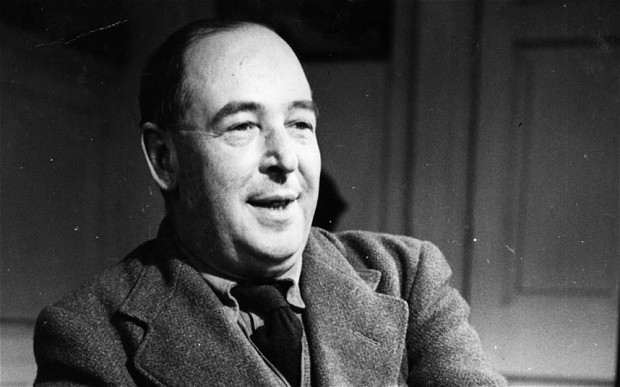
The Silver Chair, The Magician’s Nephew, The Horse and His Boy, and The Final Battle by C.S. Lewis: Seriously, how does he do it? Books that go down as smooth and refreshing as a frosty chocolate milkshake on a hot day, but with bits of nutrition blended in so naturally

Getty Images
Getty Images

one can hardly believe they are good for you. These definitely make my desert island book list. The Bible, Lewis, Austen, and pizza and I could settle in quite nicely, thank you very much. And maybe a milkshake machine if one is feeling generous.

Until the Beginning by Amy Plum: Not sure how many words would be too many to be considered wasted in reviewing this book. I have probably already spent more than it deserves. This comes from one who does not look down her nose at well-written juvenile fiction. This is the sequel to Plum’s book After the End, which I didn’t love but found at least intriguing, I am only glad to know there will not be a third in the series.

The Christmas Sweater by Glenn Beck: This too was a disappointment. I am a Beck fan, more the man than the writer, but still have found his books enlightening and good discussion fodder. I was curious to learn more about his background and Beck has made no secret of the biographical nature of this novel. I listened to this one (please don’t tell Goodreads) and have noticed that flawed dialogue can seem more so when read aloud so maybe that was part of the problem. Nevertheless, an interesting book but one I was glad to be done with. Will stick with his non-fiction from now on.

7 Events that Made America America by Larry Schweikart: I know nothing about this author. Picked up this audiobook at random from the library. Fascinating book. Loses me at times with the thickness of its analysis but keeps it light enough for me to understand. Love the 51eMFZI3xRL._SX324_BO1,204,203,200_long view perspective on the political impact of such seemingly non-related events as Eisenhower’s heart attack and government regulation of food and the 1963 Beatles-led British invasion and the fall of communism in Eastern Europe. For anyone interested in politics, particularly those with a conservative interpretation of our constitution, this is a great read.

The Dead in their Vaulted Arches by Alan C. Bradley:  I have read all the books in this series and will continue to do so. Bradley’s Flavia du Luce feels like the quirky girl next door. Glad to know her but equally glad not to be legally responsible for her person or liable for her often ill-advised attempts at crime solving. The author must be a bit quirky himself to have pulled this unique British young lady of the early 1950’s out of his mature, Canadian brain. Would love to sit down to a cup of tea with him sometime, after first checking to be sure it wasn’t poisoned.

The Harbinger by Jonathan Cahn:  Jim has been urging me to read this book, and I have picked it up a few times only to put it down again, annoyed by the poor quality of writing and the ridiculously contrived plot. But in deference to his persistence, I am finally reading it. I say Cahn should have gone with a straight non-fiction presentation of his prophetic insights into the events of the last decade but it certainly opens one’s eyes to one strongly plausible interpretation of 9/11 and beyond. I didn’t need convincing that God is behind all history including our own nation’s, but Cahn lays out biblical connections to current events that are quite compelling. I hesitate to be more enthusiastic for fear of being associated with the pop-prophecy crowd, but whatever your perspective on Cahn’s analysis, I don’t see how any American Christian could deny his call for repentance both as individuals and as a nation.

The Life-Changing Magic of Tidying Up: The Japanese Art of Decluttering and Organizing by Marie Kondo: Don’t really think of myself as a person in need of instruction when it comes to decluttering but rather someone imprisoned in a house with five pack rats. I hoped to gain some insights into how best to help them along the path of enlightenment and perhaps save myself a few hundred hours of covertly throwing away all their junk. Little did I know, this book would cause me to reflect more deeply on how I relate to the objects with which I fill my life. Go pick up a copy and call the thrift store to let them know you’re coming. But if you have any good stuff, I call first dibs.