Recently a friend of mine shared with me his frustration over how some younger folks scoff at his love for the music of the Beatles. They dismiss them as an overrated boy band. So, he asked me, “When someone asks you ‘What’s the big deal about the Beatles?’ what do you say?”
The way I deal with that is to begin by giving the questioner some historical context—explaining to them the kind of musical world it was just before the Beatles changed everything. Then, if they are still interested, I add a few points about the Beatles’ legacy, influence, and critical acclaim. So there are many ways to show why the Beatles are indeed a big deal. Below I count ten of the ways:
- Before the Beatles, popular bands didn’t write their own songs. Professional songwriters did that. This changed because of the Beatles.
- Before the Beatles, “guitar groups [were] on the way out” (as Decca executive Dick Rowe put it, when turning down the Beatles in 1962). The Beatles reversed that trend permanently.
-
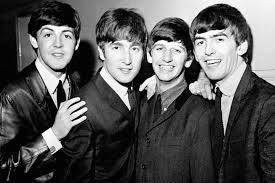
www.mirror.co.uk Before the Beatles, popular music was not considered a genuine art form. The Beatles (especially the 1967 album Sgt. Pepper’s Lonely Hearts Club Band) changed that.
- Before the Beatles, popular music wasn’t culturally significant enough to warrant newspapers having journalists devoted to covering rock music. The Beatles changed that. In fact, they were a major musical force inspiring the first rock music periodicals—Crawdaddy, Creem, and Rolling Stone.
- The Beatles weren’t just a rock band. They were a masterful cabaret band, able to make excellent original music in about ten different categories: 50’s style doo-wop, surfer rock, blues, rhythm & blues, acoustic balladry, show tunes, folk rock, orchestral rock, hard rock, string quartet chamber music, Indian music, and (perhaps inventing) psychedelic rock. Name another band to do this before or since. You can’t. The Clash mastered five or six, which is as close as any band gets. Bands like Phish could convincingly play more genres, but they didn’t write great songs in more than a couple categories.
- The Beatles were among the first bands to make significant (and impactful) socio-political commentary in their music (thanks to Bob Dylan’s influence, of course).
- The Beatles revolutionized the art of studio recording. Contemporary producers and sound engineers still consult the Beatles and producer George Martin “like we’re consulting a manual,” as one current record producer puts it.
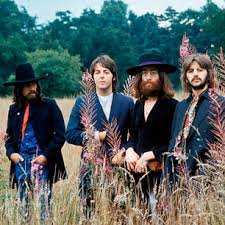
www.rollingstone.com - You can draw major lines of influence from every great band since the 1960s (e.g., Queen, Led Zeppelin, U2, Radiohead, etc.) directly to the Beatles.
- The Beatles made countless musical innovations and firsts, including use of the sitar (“Norwegian Wood”), tape loops (“Tomorrow Never Knows”), backward guitar and vocal tracks (“I’m Only Sleeping” and “Rain”), the use of guitar feedback (“I Feel Fine”), and the Moog synthesizer (several songs on Abbey Road).
- The Beatles’ music has stood the test of time, which is the ultimate filter for greatness. Nearly half a century after their break-up, their music still outsells most popular acts in any given year. They’ve sold over one BILLION records to date. And on all major “greatest album lists,” the Beatles have multiple albums featured, usually several in the top ten. This Rolling Stone list includes five Beatles’ albums in the top 15, four in the top 10, and three in the top 5, including Sgt. Pepper at #1. Even the prog- and alt-rock tilted NME top 100 albums list includes four Beatles’ albums and places their Revolver album at #2. Thus, by far, the Beatles enjoy the greatest critical and popular acclaim among rock bands. So in dismissing the Beatles, one must thumb one’s nose at two of the most significant criteria for evaluating artists of any kind—the historical test and the test of critical acclaim. To do so usually reveals arrogance or ignorance. Or both.
Such are the points I make to young Beatles skeptics. Some are moved. Others aren’t…to their own loss.